
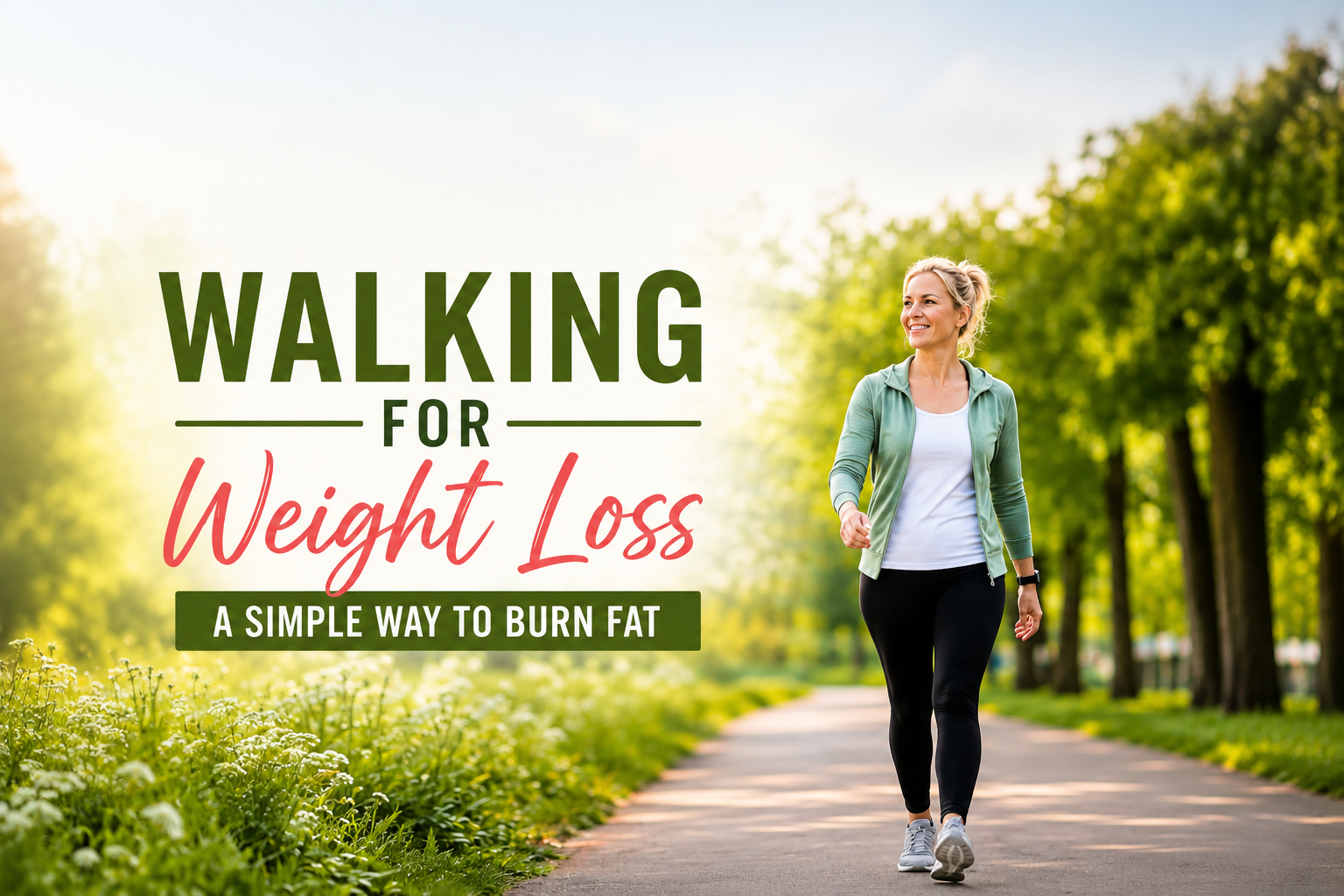
Walking for Weight Loss: A Simple Way to Burn Fat
Walking for weight loss is one of the easiest and most effective ways to become more active, burn calories, and improve your overall health. Whether you’re just getting started or looking for a sustainable fitness routine, walking is a fantastic place to start.
You don’t need an expensive gym membership, fancy equipment, or intense workouts. A simple walk can help you burn calories, improve your mood, and build healthy habits that last.
Whether you’re just beginning your weight loss journey or looking for an activity that’s gentle on your joints, walking is a sustainable choice.
- Sustainable Weight Loss
- High Protein Meal Prep for Weight Loss
- Healthy Protein Cheesecake Recipe
- Best Protein Sources for Weight Loss
Tracking your daily steps can help you stay motivated and gradually increase your activity level.
Why Walking is Great for Weight Loss
Walking burns calories while placing less stress on your body than many high-impact exercises.
Combined with healthy eating and a moderate calorie deficit, regular walks can contribute to steady, long-term weight loss.
Walking also fits easily into almost any lifestyle. You can walk before work, during lunch breaks, after dinner, or while listening to your favorite podcast.
The best exercise is the one you can consistently stick with—and for many people, that’s walking.
Health Benefits of Walking
Walking offers much more than weight loss.
Regular walks can help:
- Burn calories
- Improve heart health
- Increase daily energy
- Strengthen muscles and bones
- Support healthy joints
- Reduce stress
- Improve mood
- Lower blood pressure
- Improve sleep quality
- Boost overall fitness
Even a short walk every day can make a meaningful difference over time.
How Much Should You Walk?
There isn’t one perfect number of steps for everyone.
A great starting point is:
- 20–30 minutes per day for beginners
- 6,000–8,000 daily steps if you’re just getting started
- Gradually increasing toward 8,000–10,000 steps as your fitness improves
The key is consistency rather than perfection.
If you currently walk very little, even adding 15 minutes a day is a positive step forward.
10 Tips to Burn More Calories While Walking
1. Walk Consistently
Walking most days of the week produces better results than one long walk occasionally.
2. Increase Your Pace
A brisk pace raises your heart rate and burns more calories than a slow stroll.
3. Walk Longer
If possible, extend your walk by 10–15 minutes as your endurance improves.
4. Include Hills
Walking uphill challenges your muscles and increases calorie burn.
5. Swing Your Arms
Natural arm movement improves balance and slightly increases energy expenditure.
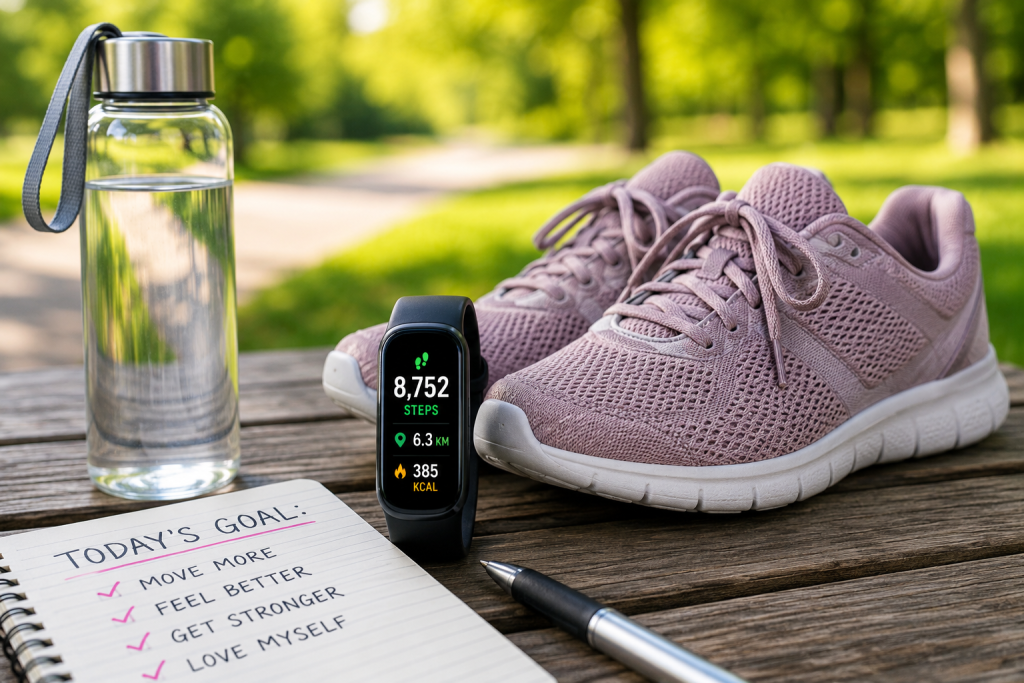
6. Wear Comfortable Shoes
Proper walking shoes help prevent discomfort and make longer walks more enjoyable.
7. Stay Hydrated
Drink enough water before and after your walk, especially on warm days.
8. Add Strength Exercises
After your walk, include a few bodyweight exercises like squats, wall push-ups, or glute bridges to support muscle maintenance.
Add simple resistance exercises after your walks to build strength and support healthy weight loss.
9. Walk After Meals
A short walk after eating can support digestion and help increase your daily activity.
10. Track Your Progress
Use a fitness tracker or smartphone to monitor your steps and stay motivated as your daily activity increases.
7-Day Beginner Walking Plan
Day 1
20-minute easy walk
Day 2
25-minute brisk walk
Day 3
20-minute easy recovery walk
Day 4
30-minute brisk walk
Day 5
Rest or a relaxed 15-minute walk
Day 6
35-minute walk with a few gentle hills if available
Day 7
40-minute comfortable walk at your own pace
Repeat the plan the following week and gradually increase your walking time as your fitness improves.
Frequently Asked Questions
Is walking enough to lose weight?
Yes.
Walking can support weight loss when combined with a balanced diet and a calorie deficit. Consistency is more important than intensity.
Is 10,000 steps necessary?
No.
Many people benefit from fewer steps, especially when starting. Increasing your activity gradually is more realistic and sustainable.
Should I walk every day?
Walking most days of the week is a great goal, but rest days are perfectly fine when your body needs recovery.
Can walking reduce belly fat?
You can’t target fat loss in one specific area. However, regular walking combined with healthy nutrition can help reduce overall body fat over time.
Final Thoughts

Walking is one of the simplest and most sustainable forms of exercise available.
It requires very little equipment, is suitable for most fitness levels, and can easily become part of your daily routine. Every walk is an investment in your health, whether it’s 15 minutes around your neighborhood or a longer weekend hike.
Remember, lasting weight loss isn’t built in a single workout—it’s built through small, consistent actions repeated over time.
So lace up your shoes, head outside, and take the first step toward a healthier lifestyle.
Ready to Kickstart Your Weight Loss Journey?
Walking is a great beginning—but combining movement with healthy nutrition creates even better results.
🎁 Download my FREE 14-Day Weight Loss Kickstart Guide for easy meal ideas, healthy recipes, motivation, and practical strategies to help you build lasting healthy habits.