Best Protein Sources for Weight Loss
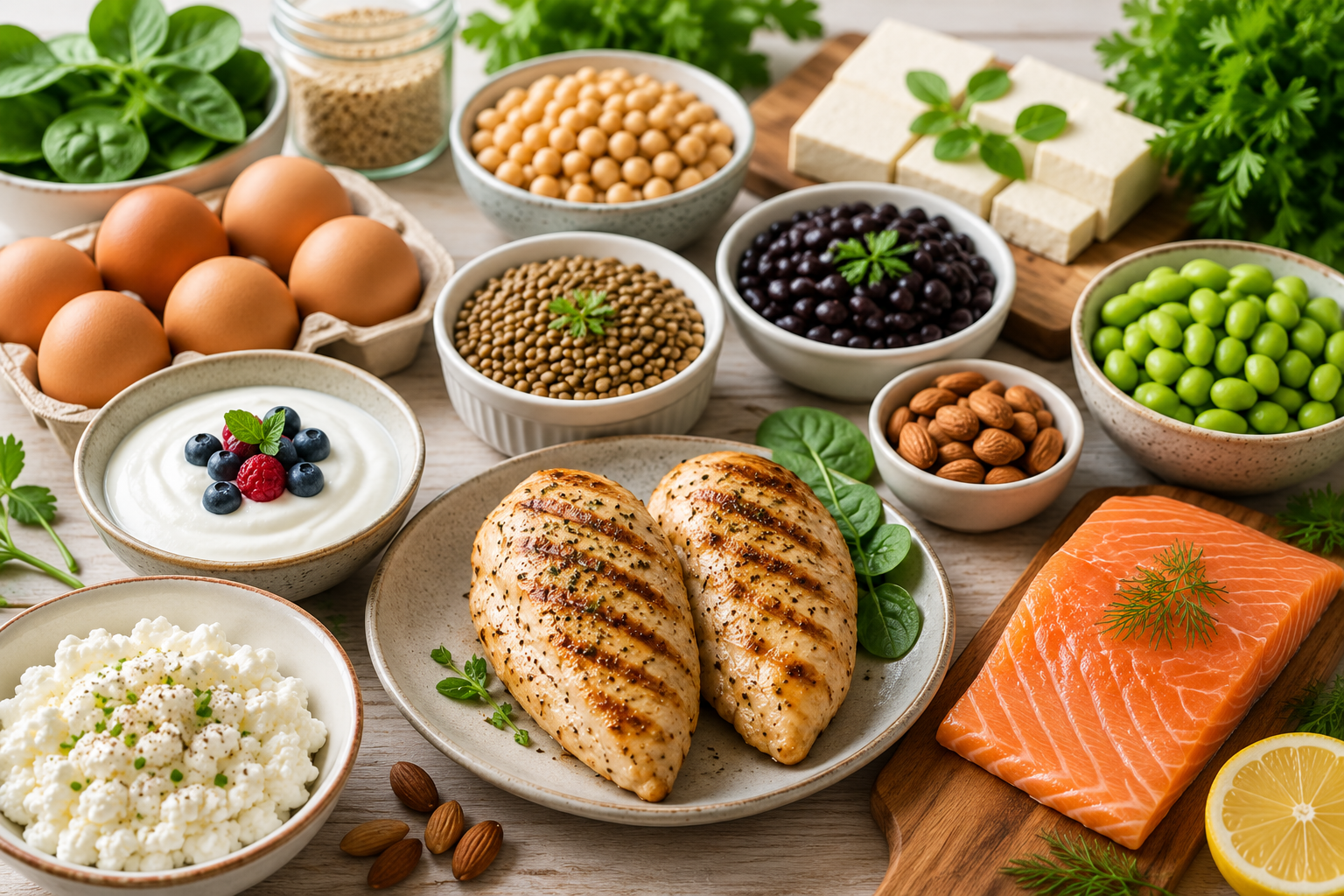
Protein is one of the most important nutrients for anyone trying to lose weight and maintain a healthy lifestyle. It helps you stay full longer, supports muscle maintenance, and makes it easier to stick to your nutrition goals.
But not all protein sources are created equal. Choosing lean, nutrient-rich foods can help you get the protein you need while also providing vitamins, minerals, and healthy fats.
In this guide, you’ll discover the best protein sources to include in your meals and how they can support your weight loss journey.
- Healthy High Protein Pasta
- Healthy High Protein Waffles
- Healthy High Protein Salad
- High Protein Meal Prep
- Cottage Cheese Breakfast Bowl
A high-quality protein powder can help you easily increase your daily protein intake, especially on busy days.
Why Protein Is Important
Protein is essential for every cell in your body. It helps build and repair muscles, supports your immune system, and contributes to healthy skin, hair, and nails.
When you’re losing weight, protein becomes even more important because it helps preserve lean muscle while your body burns fat.
Benefits of eating enough protein
- Keeps you full longer
- Supports muscle maintenance
- Helps reduce cravings
- Boosts meal satisfaction
- Supports healthy metabolism
- Makes weight loss easier
Best Animal Protein Sources
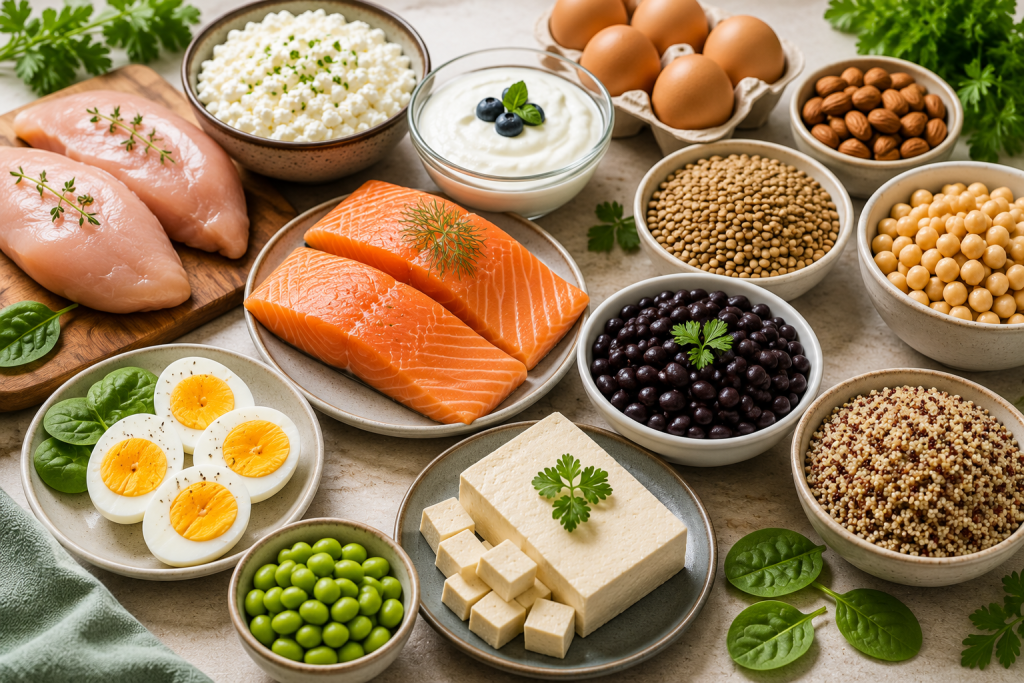
Animal proteins contain all nine essential amino acids, making them complete protein sources.
Chicken Breast
A lean, versatile option that’s high in protein and low in fat.
- Protein: 31 g per 100 g
Turkey Breast
A great alternative to chicken with a mild flavor.
- Protein: 29 g per 100 g
Eggs
One of the most nutritious foods available.
- Protein: 6–7 g per large egg
Greek Yogurt
Perfect for breakfast, snacks, or healthy desserts.
- Protein: 10 g per 100 g
Cottage Cheese
A favorite for high-protein meals because it’s rich in casein protein.
- Protein: 11–13 g per 100 g
Salmon
Provides high-quality protein and heart-healthy omega-3 fatty acids.
- Protein: 22 g per 100 g
Tuna
Low in fat and very high in protein.
- Protein: 25 g per 100 g
Lean Beef
An excellent source of protein, iron, and vitamin B12.
- Protein: 26 g per 100 g
Best Plant-Based Protein Sources
Plant proteins are also valuable and can easily fit into a healthy diet.
Lentils
- Protein: 9 g per 100 g (cooked)
Chickpeas
Perfect for salads, bowls, and healthy snacks.
- Protein: 9 g per 100 g (cooked)
Black Beans
Rich in protein and fiber.
- Protein: 9 g per 100 g (cooked)
Edamame
One of the highest-protein plant foods.
- Protein: 12 g per 100 g
Tofu
A versatile protein source for countless recipes.
- Protein: 15 g per 100 g
Tempeh
Higher in protein than tofu and great for meal prep.
- Protein: 20 g per 100 g
Easy Ways to Add More Protein
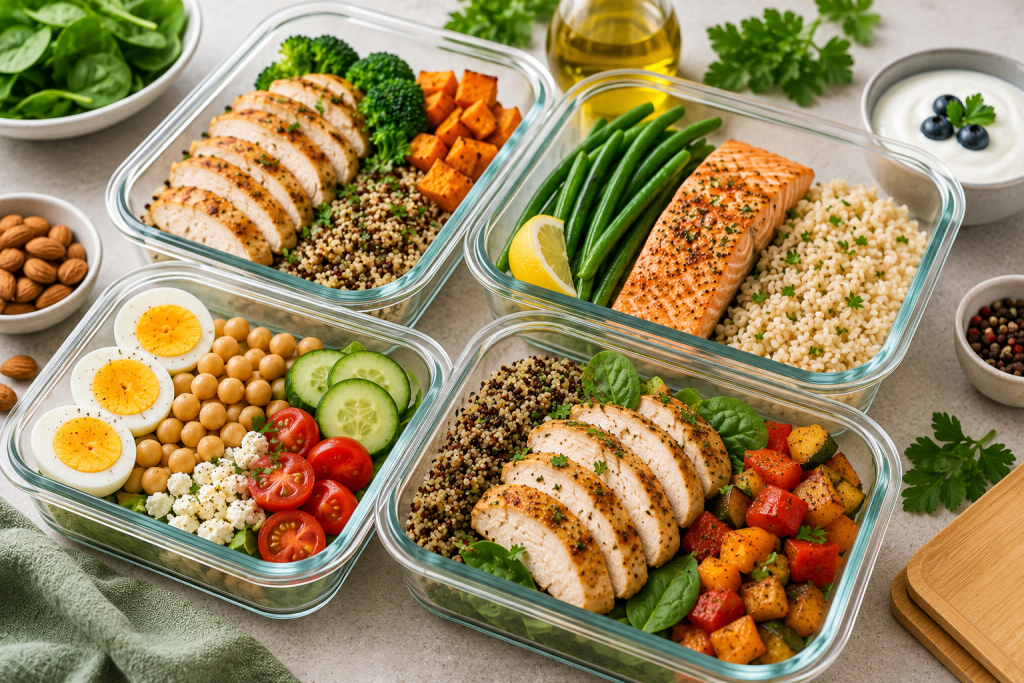
Small changes throughout the day can significantly increase your protein intake.
Try these ideas:
- Add Greek yogurt to breakfast.
- Include chicken or turkey in salads.
- Snack on cottage cheese.
- Add beans to soups and chili.
- Use protein pasta instead of regular pasta.
- Enjoy eggs for breakfast or lunch.
- Blend protein powder into smoothies.
Quickly prepare vegetables and grate fresh cheese for protein-rich meals and healthy recipes.
Cook chicken, salmon, and other protein-rich foods with less oil in a Ninja Crispi while keeping them juicy and flavorful.
How Much Protein Do You Need?
Your ideal protein intake depends on your age, activity level, and goals.
Many women aiming for weight loss benefit from consuming approximately 1.2–1.6 grams of protein per kilogram of body weight per day, especially when trying to maintain muscle while losing fat.
If you’re very active or doing strength training, your protein needs may be higher.
Frequently Asked Questions
What is the healthiest protein source?
There isn’t one single „best“ choice. A combination of lean meats, fish, eggs, dairy, legumes, and soy foods provides a balanced intake of protein and other nutrients.
Can I lose weight by eating more protein?
A higher-protein diet can help you feel fuller, reduce hunger, and support muscle maintenance during weight loss. It works best when combined with a balanced calorie intake and regular physical activity.
Meal prep containers make it easy to prepare protein-rich meals in advance and stay on track all week.
Is plant protein as good as animal protein?
Yes. Eating a variety of plant protein sources throughout the day can provide all the essential amino acids your body needs.
Should every meal contain protein?
Including protein with each meal and snack can help improve fullness and make it easier to reach your daily protein goal.
Final Thoughts
Protein is one of the most powerful tools for healthy weight loss. By choosing a variety of high-quality protein sources, you can stay satisfied, support your muscles, and build meals that are both nutritious and enjoyable.
Whether you prefer animal-based or plant-based foods, adding more protein to your daily routine is a simple habit that can make a lasting difference.
Ready to Make Weight Loss Easier?
Healthy habits start with small, consistent steps.
🎁 Download my FREE 14-Day Weight Loss Kickstart Guide to get simple meal ideas, practical weight loss tips, and easy strategies that fit into your everyday life.