How Much Protein Do You Really Need for Weight Loss?
If you’ve ever tried to lose weight, you’ve probably heard that eating more protein can help. But how much protein do you actually need?
The answer isn’t the same for everyone. Your age, activity level, body composition, and weight-loss goals all influence your ideal protein intake.
However, one thing is clear: protein for weight loss plays an important role in helping you stay full, preserve muscle, and support a healthy metabolism.
Let’s take a closer look at how much protein you really need and how to include more of it in your daily diet.
Protein for Weight Loss: Why It Matters
Protein is one of the three major macronutrients, alongside carbohydrates and fats.
Unlike carbohydrates, which are your body’s primary source of quick energy, protein serves as a building block for muscles, tissues, hormones, enzymes, and many other essential functions.
When you’re trying to lose weight, protein becomes even more important.
Protein can help by:
- Increasing feelings of fullness
- Supporting muscle maintenance
- Reducing hunger
- Helping preserve lean body mass during a calorie deficit
- Supporting recovery after exercise
Many people who increase their protein intake notice that they’re less likely to snack between meals and feel more satisfied after eating.
How Much Protein Do You Need?
The traditional recommendation for healthy adults is approximately 0.8 grams of protein per kilogram of body weight per day.
However, many nutrition experts suggest that people trying to lose weight may benefit from higher protein intake.
A commonly recommended range for weight loss is 1.2 to 1.6 grams of protein per kilogram of body weight.
Let’s look at a few examples.
| Body Weight | Daily Protein Range |
|---|---|
| 60 kg (132 lbs) | 72–96 g |
| 70 kg (154 lbs) | 84–112 g |
| 80 kg (176 lbs) | 96–128 g |
| 90 kg (198 lbs) | 108–144 g |
These numbers are general guidelines rather than strict rules.
Your personal needs may vary depending on your age, activity level, and overall health.
Why Women Over 40 Should Pay Attention to Protein
As we get older, maintaining muscle mass becomes more challenging.
Muscle naturally declines with age, and hormonal changes can also influence body composition.
This is one reason why many women over 40 find that weight loss feels more difficult than it did in their twenties or thirties.
Eating enough protein may help support muscle maintenance while losing body fat.
Combining adequate protein intake with strength training may be particularly beneficial.
This doesn’t mean you need to follow an extreme high-protein diet.
Instead, focus on including a quality protein source in every meal.
Signs You May Not Be Eating Enough Protein
You don’t need to track every gram of protein to recognize potential problems.
Some common signs may include:
- Feeling hungry shortly after meals
- Frequent snacking
- Difficulty recovering after exercise
- Low energy
- Difficulty maintaining muscle during weight loss
These symptoms can have many causes, but protein intake is one factor worth considering.
Best High-Protein Foods for Weight Loss
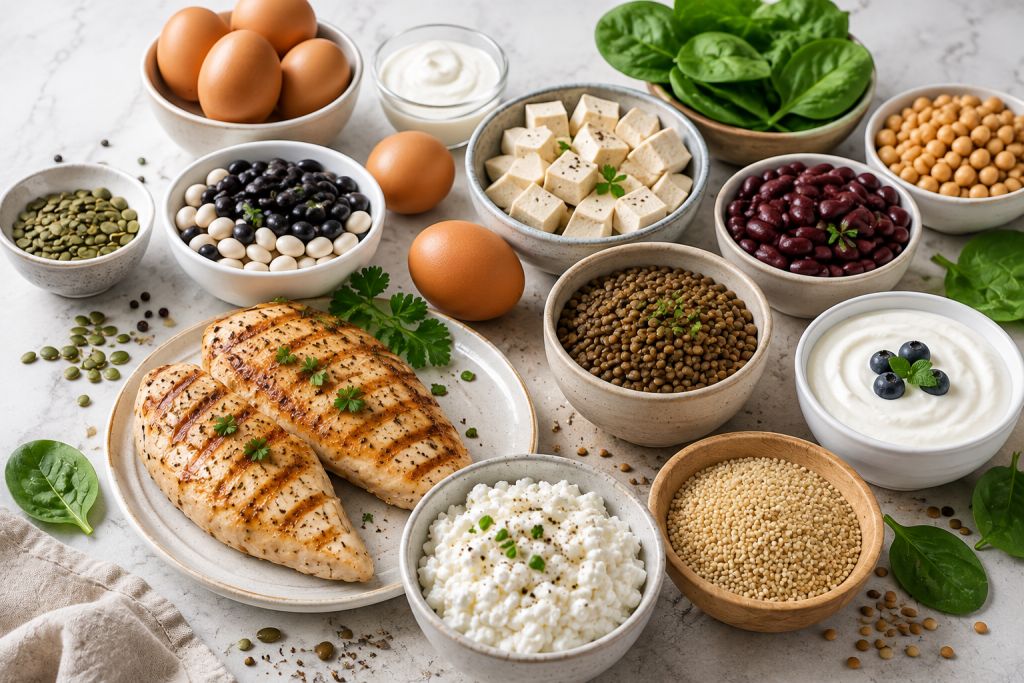
Fortunately, increasing your protein intake doesn’t have to be complicated.
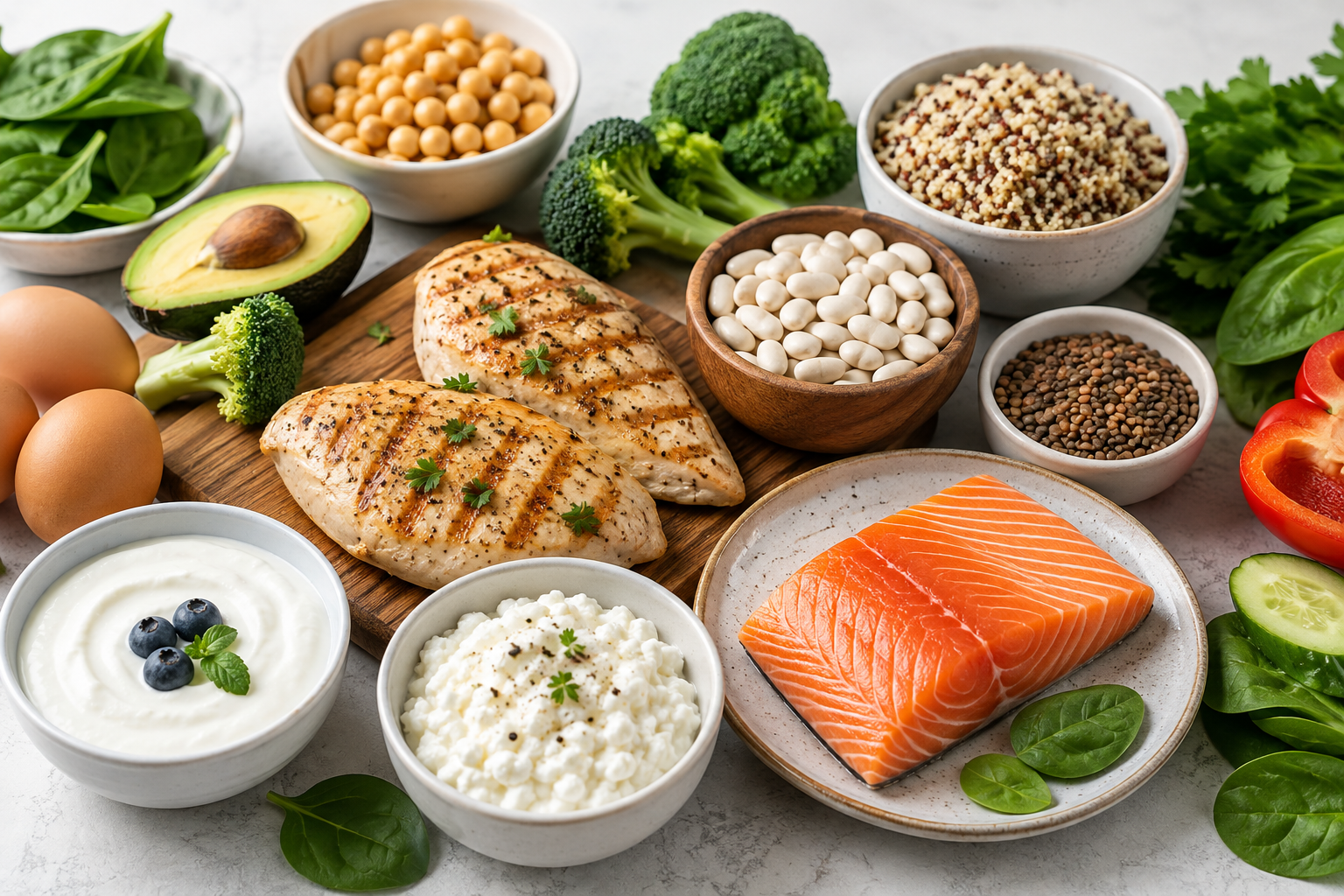
Here are some excellent protein sources:
🥩 Animal-Based Protein Sources
- Chicken breast
- Turkey
- Eggs
- Greek yogurt
- Cottage cheese
- Fish
- Lean beef
🌱 Plant-Based Protein Sources
- Lentils
- Beans
- Tofu
- Tempeh
- Edamame
- Quinoa
- Chia seeds
How to Add More Protein to Your Meals
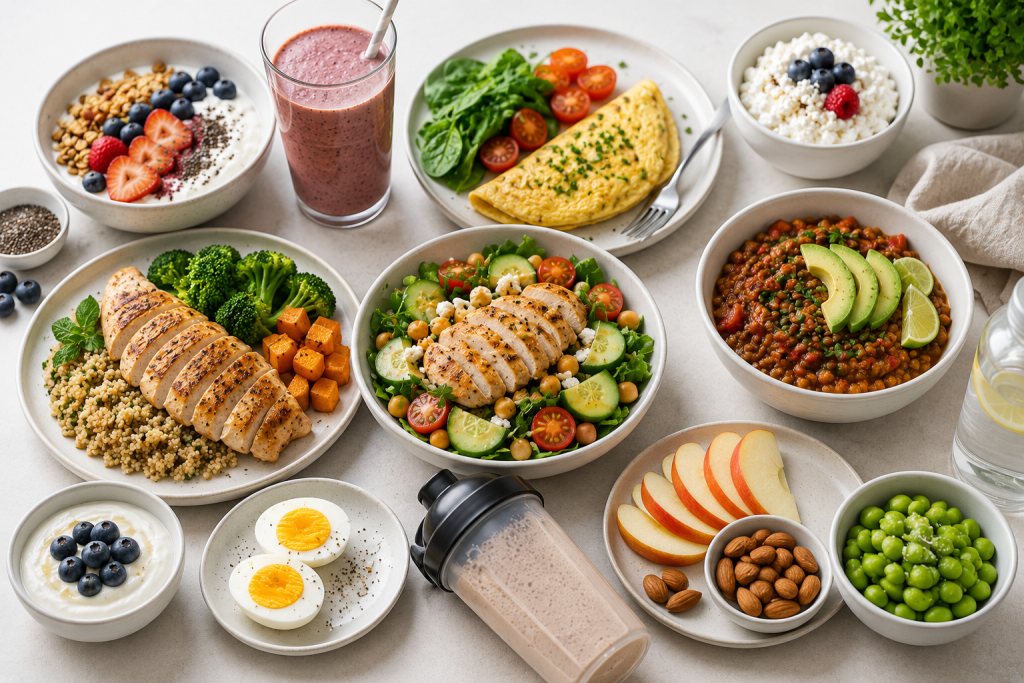
Small changes can significantly increase your daily protein intake.
Breakfast
Instead of eating only toast or cereal, try:
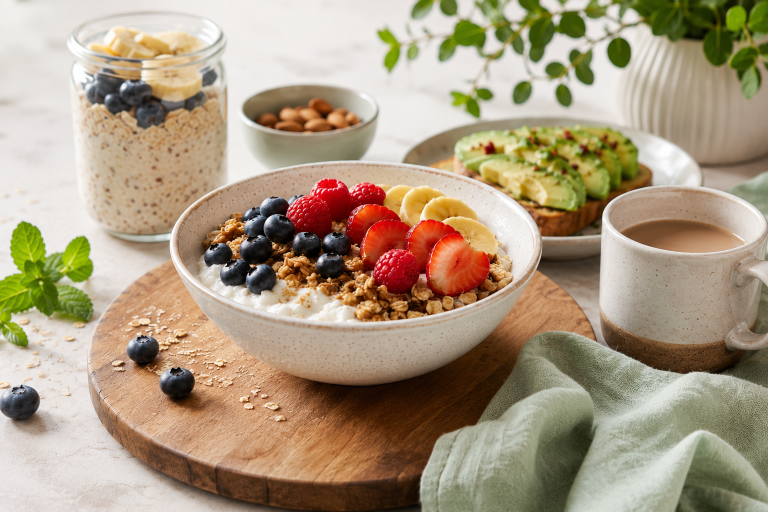
- Greek yogurt with berries
- Protein smoothies
- Eggs
- Cottage cheese
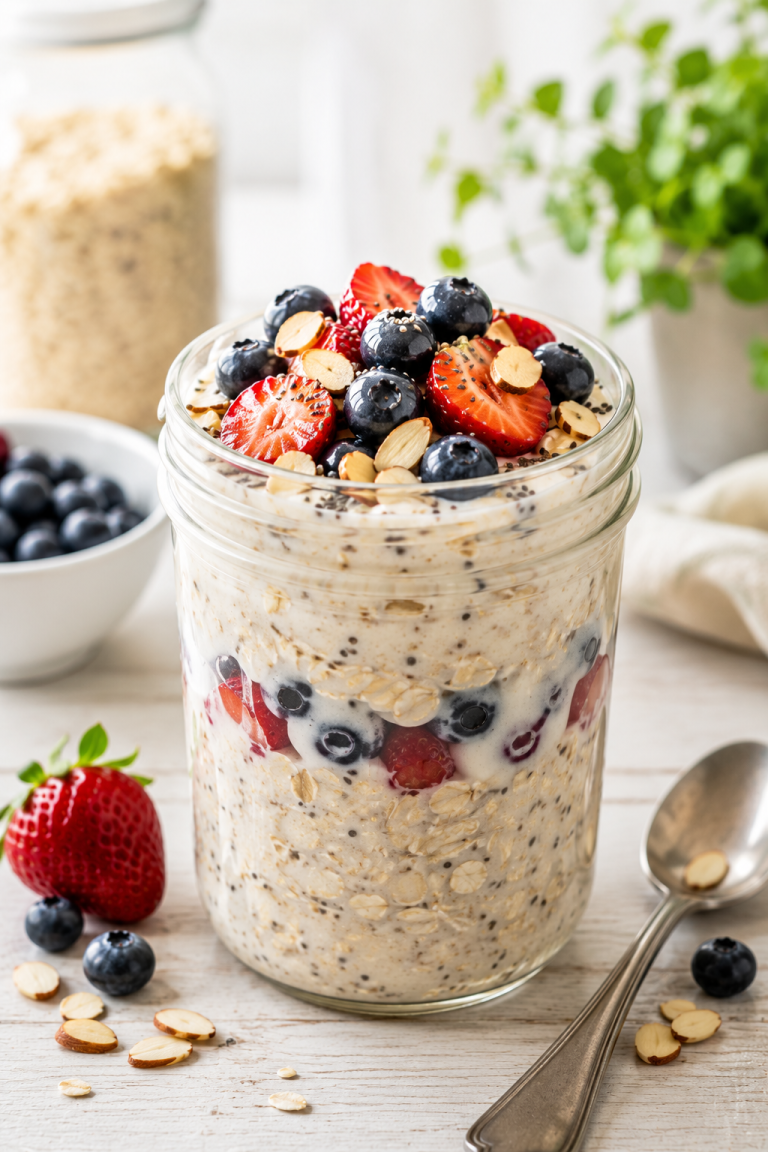
- Protein oatmeal
You can also try our Healthy Chia Pudding recipe for an easy, make-ahead, high-protein breakfast.
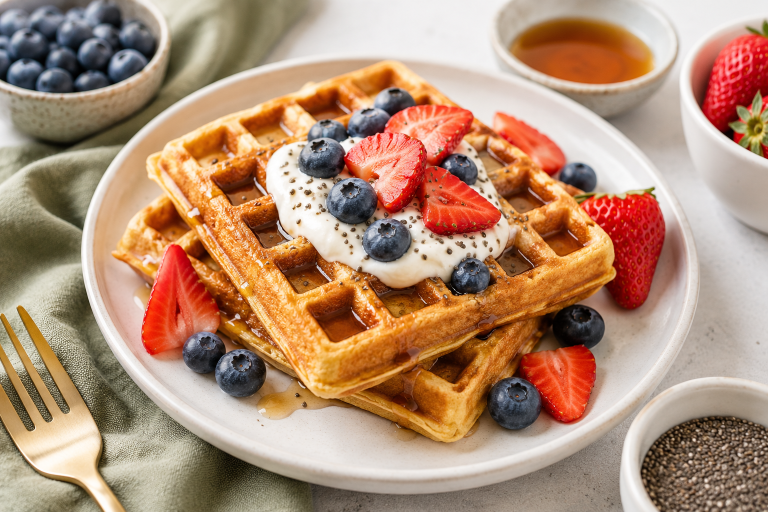
Another delicious breakfast option is our Protein French Toast recipe
Lunch
Try adding:
- Grilled chicken
- Tuna
- Turkey
- Beans
- Lentils
Dinner
Focus on building your meals around a protein source first.
Examples include:
- Chicken with roasted vegetables
- Salmon with quinoa
- Lean beef with sweet potatoes
- Tofu stir-fry
Looking for simple meal-prep ideas? Try our High Protein Chicken Meal Prep recipes for easy, protein-packed meals.
Snacks
High-protein snacks may include:
- Greek yogurt
- Cottage cheese
- Protein shakes
- Hard-boiled eggs
- Roasted edamame
- Recommended Tools: Protein Shaker
Does Eating More Protein Burn More Fat?
This is one of the most common misconceptions.
Protein itself doesn’t automatically burn fat.
Weight loss still depends on maintaining an overall calorie deficit.
However, protein may indirectly support fat loss because it can help reduce hunger and improve satiety.
People who feel fuller are often better able to maintain healthy eating habits over time.
Protein also requires slightly more energy to digest compared to carbohydrates and fats.
While this effect exists, it shouldn’t be viewed as a magic solution.
Can You Eat Too Much Protein?
More isn’t always better.
Extremely high protein intake isn’t necessary for most people.
Balance is important.
Your diet should still include:
- Healthy fats
- Fruits
- Vegetables
- Fiber-rich foods
- Complex carbohydrates
Rather than focusing on a single nutrient, aim for a balanced eating pattern that supports your long-term goals.
Common Protein Mistakes
Only Eating Protein at Dinner
Many people consume most of their protein during their evening meal.
Distributing protein more evenly throughout the day may be more effective.
Relying Only on Protein Shakes
Protein shakes can be convenient, but they shouldn’t replace whole foods entirely.
Whenever possible, prioritize food sources such as fish, eggs, dairy products, beans, and lean meat.
Ignoring Portion Sizes
Even healthy foods contribute calories.
Paying attention to portions can help you maintain a calorie deficit while still eating enough protein.
Frequently Asked Questions
How much protein should I eat to lose weight?
Many experts recommend 1.2–1.6 grams per kilogram of body weight during weight loss.
Is protein important for women over 40?
Yes. Adequate protein intake may help support muscle maintenance, especially when combined with resistance training.
Can I lose weight without eating a high-protein diet?
Yes.
Weight loss primarily depends on maintaining a calorie deficit.
Protein simply makes the process easier for many people.
Are protein shakes necessary?
No.
Whole foods can provide plenty of protein.
Protein shakes are simply a convenient option.
What’s the best protein source?
There isn’t one perfect source.
A combination of lean meats, fish, eggs, dairy products, legumes, and plant-based proteins usually provides the greatest nutritional variety.
Final Thoughts
Protein for weight loss isn’t about following strict rules or obsessively counting every gram.
Instead, focus on consistently including high-quality protein sources throughout the day.
Small changes, such as adding Greek yogurt to breakfast or including more chicken, fish, or beans in your meals, can make a significant difference over time.
Remember that sustainable weight loss comes from building habits you can maintain—not from chasing perfection.
Ready to Kickstart Your Weight Loss Journey?
Want a simple plan to help you build healthier habits?
Download the free 14-Day Weight Loss Kickstart Guide and take the first step toward sustainable weight loss.