
Emotional Eating: How to Break the Cycle
Emotional eating can make healthy eating and weight loss feel much harder than they need to be. You may find yourself reaching for chocolate after a stressful day, eating when you are bored, or continuing to snack even though you are not physically hungry.
The problem is not that you lack willpower. Emotional eating is often a learned response to stress, emotions, habits, or an environment filled with easily available comfort foods.
The good news is that you can learn to recognize your triggers and create healthier ways to respond to them. You do not need to completely eliminate emotional eating overnight. Small, consistent changes can help you regain a sense of control around food.
- Why Diets Fail
- Sustainable Weight Loss
- Healthy Snacks for Weight Loss That Keep You Full
- Weight Loss Tips for Women Over 40 Thar Actually Work
What Is Emotional Eating?
Emotional eating means eating in response to emotions or situations rather than primarily because your body needs food.
Food can provide temporary comfort, distraction, pleasure, or relief. This is one reason emotional eating can become a repeated pattern. Your brain learns that eating a certain food makes you feel better for a short time.
Emotional eating can happen with both positive and negative emotions. Stress, sadness, frustration, boredom, loneliness, anxiety, exhaustion, and even celebration can all influence eating habits.
Occasional emotional eating is normal. It becomes more frustrating when it happens frequently or makes you feel like you have little control over your eating.
Why Do We Eat When We Are Emotional?
Food and emotions are closely connected.
Certain foods, especially highly palatable foods containing combinations of sugar, fat, and salt, can feel particularly rewarding. Eating them may provide a temporary distraction from uncomfortable emotions.
There can also be a strong habit component.
For example, you might regularly eat something sweet after putting the kids to bed. Over time, your brain can begin to associate that time of day with the food, even when you are not particularly hungry.
Stress can make this pattern even stronger. When you are overwhelmed, it can feel much easier to reach for something familiar than to stop and think about what you actually need.
Common Emotional Eating Triggers

Understanding your personal triggers is one of the most useful steps you can take.
Common triggers include:
- Stress after work
- Feeling overwhelmed
- Boredom
- Loneliness
- Sadness
- Frustration
- Anger
- Tiredness
- Poor sleep
- Feeling deprived during a diet
- Social situations
- Habitual evening snacking
- Rewarding yourself with food
- Using food as a way to relax
Your triggers may also change from day to day.
The goal is not to judge yourself when emotional eating happens. Instead, try to become curious about what happened immediately before the urge to eat.
How to Recognize Emotional Hunger
One of the easiest ways to understand emotional eating is to learn the difference between physical hunger and emotional hunger.
Physical hunger usually develops gradually. You may notice your stomach feels empty, your energy decreases, or you become hungry for a variety of foods.
Emotional hunger can appear suddenly and feel very specific. You may strongly want one particular food, such as chocolate, chips, ice cream, or cookies.
Another clue is that emotional hunger may continue even after you are physically full.
Before automatically reaching for food, pause for a moment and ask yourself:
“Am I physically hungry, or am I looking for something else right now?”
There is no need to force yourself not to eat. The pause simply gives you an opportunity to understand what is happening.
How to Break the Emotional Eating Cycle

Breaking the cycle does not mean never eating for emotional reasons again. Instead, you are creating more choices between the emotion and the automatic eating response.
Step 1: Notice the Trigger
Start by identifying what happened before the urge to eat.
Were you stressed? Tired? Bored? Angry? Feeling unappreciated? Sitting on the couch after a long day?
You can keep a simple note on your phone with three things:
What happened → What I felt → What I wanted to eat
You do not need a complicated food journal. A few words can reveal patterns over time.
Step 2: Pause Before Eating
When an emotional eating urge appears, give yourself a short pause.
Take a few slow breaths and ask:
- Am I physically hungry?
- What am I feeling right now?
- What do I actually need?
- Would food solve the problem, or would something else help?
Even a five-minute pause can interrupt an automatic habit.
Step 3: Give Yourself Another Option
If you realize you are not physically hungry, choose one alternative that addresses the underlying need.
For example:
Stressed: Take a short walk, stretch, or sit somewhere quiet.
Bored: Read a few pages of a book, start a small project, or call someone.
Tired: Take a shower, get ready for bed, or give yourself permission to rest.
Lonely: Send a message or call a friend.
Overwhelmed: Write down the next one or two things you need to do instead of trying to solve everything at once.
The alternative does not need to be productive. Sometimes what you actually need is rest.
Step 4: Make Your Regular Meals Satisfying
Trying to control emotional eating by eating as little as possible can backfire.
If you are genuinely hungry because you have skipped meals or severely restricted your food intake, emotional eating can become much harder to manage.
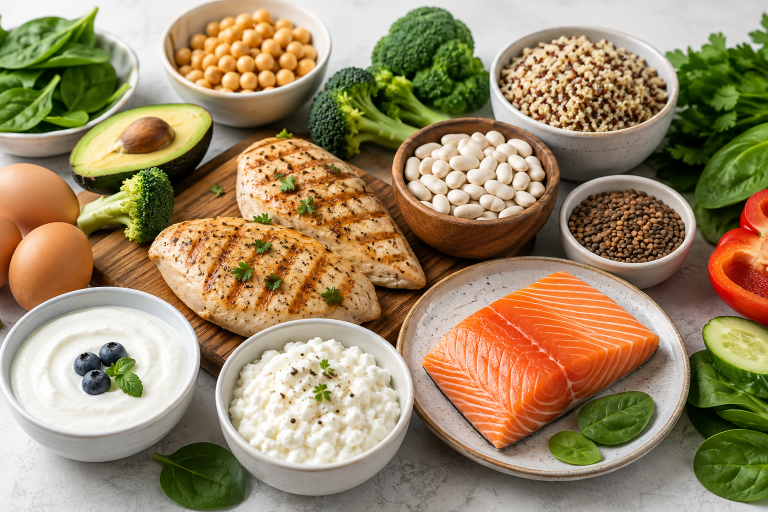
Build meals around satisfying foods such as:
- Protein
- Vegetables and fruit
- Whole grains or other high-fiber carbohydrates
- Healthy fats
Regular, balanced meals can make it easier to distinguish physical hunger from emotional cravings.
Step 5: Stop Labeling Foods as “Good” or “Bad”
Strict food rules can increase feelings of deprivation.
If you tell yourself that you can never eat chocolate, cookies, or your favorite dessert, you may eventually feel even more focused on those foods.
A healthier approach is to allow enjoyable foods as part of an overall balanced diet.
Eating a cookie does not mean you failed. You can simply enjoy it and continue with your normal eating habits afterward.
Step 6: Avoid the “I Already Ruined It” Mentality
One of the most damaging parts of emotional eating can be what happens afterward.
You eat more than you intended and think:
“I already messed up today, so I might as well keep eating.”
This can turn one emotional eating episode into an entire day of overeating.
Instead, remind yourself that one snack or meal does not determine your progress.
There is no need to compensate by skipping your next meal or drastically restricting calories. Simply return to your normal routine.
What to Do Instead of Emotional Eating
Having a list of alternatives ready can make it easier to respond differently when a craving appears.
Try creating your own “instead of eating” list.
Ideas include:
- Drink a cup of tea
- Take a 10-minute walk
- Listen to music
- Take a warm shower
- Journal for five minutes
- Call a friend
- Step outside for fresh air
- Stretch
- Read a book
- Do a short breathing exercise
- Go to bed earlier
- Do something creative
- Tidy one small area
- Watch a favorite show
- Simply sit and relax
You do not have to earn your food or distract yourself from every craving. The purpose is to have additional options when food is not actually what you need.
How Stress Affects Your Eating Habits
Stress can make healthy eating more difficult in several ways.
When you are stressed, you may have less energy for meal planning, cooking, or making thoughtful food choices. You may also use food as a quick source of comfort after a demanding day.
Poor sleep can make things even harder. When you are exhausted, convenience and highly rewarding foods can become much more appealing.
This is why emotional eating is not simply a matter of willpower.
Creating better routines around sleep, meals, movement, relaxation, and stress management can make healthy choices easier without requiring constant self-control.
Emotional Eating and Weight Loss
Emotional eating can make weight loss more challenging when it regularly leads to eating more energy than your body needs.
However, you do not need to completely eliminate emotional eating to lose weight.
A sustainable approach focuses on your overall habits rather than perfection.
Instead of thinking:
“I need to stop emotional eating completely.”
Try:
“I want to understand why I am eating and give myself more choices.”
That small change in mindset can reduce the guilt and all-or-nothing thinking that often keeps the cycle going.
Weight loss is much easier to maintain when your approach allows for normal emotions, occasional treats, social occasions, and imperfect days.
How to Stop Emotional Eating Without Restricting Yourself
The goal is not to create another strict set of food rules.
Instead, focus on creating a healthier relationship with food.
Eat when you are physically hungry. Enjoy food when you genuinely want it. And when you notice that you are eating primarily to cope with an emotion, give yourself the opportunity to pause and choose.
You can also practice eating without distractions when possible. Sit down, slow down, and pay attention to the food you are eating.
This can help you notice when you are satisfied instead of automatically continuing until the food is gone.
Most importantly, avoid punishing yourself after emotional eating. Guilt and restriction can become part of the same cycle you are trying to break.
When Emotional Eating Becomes a Pattern
If emotional eating happens regularly and feels difficult to control, it may be worth looking beyond food itself.
Ask yourself:
“What is happening in my life that makes me need food for comfort so often?”
Sometimes the answer may be stress, exhaustion, lack of support, an overly restrictive diet, or simply a long-established habit.
If eating feels completely out of control, happens frequently, causes significant distress, or involves episodes of eating unusually large amounts of food with a sense of loss of control, consider talking with a qualified healthcare professional or registered dietitian. You do not have to figure it out alone.
Frequently Asked Questions
Is emotional eating normal?
Yes. Many people occasionally eat because of stress, boredom, celebration, sadness, or other emotions.
The important question is whether emotional eating is an occasional part of your life or a frequent pattern that causes distress or interferes with your goals.
How can I stop emotional eating at night?
Start by looking at what happens during the hours before bedtime.
Make sure you are eating enough during the day and not intentionally restricting food. Then identify what usually triggers your evening eating.
If you are not hungry, try a short pause and choose another relaxing activity, such as tea, reading, stretching, or taking a shower.
Can emotional eating cause weight gain?
Frequent emotional eating can contribute to weight gain if it consistently results in eating more calories than your body uses.
However, occasional emotional eating does not automatically cause weight gain. Your overall eating pattern matters much more than one episode.
Why do I crave sweets when I am stressed?
Sweet foods can feel rewarding and comforting, especially when you are stressed or tired. Stress can also make it harder to pause and consider what you actually need.
Instead of banning sweets, try to understand when and why the craving appears.
Should I avoid comfort foods completely?
No. Completely banning favorite foods can increase feelings of deprivation and make cravings harder to manage.
Enjoying comfort foods occasionally can be part of a balanced approach to eating.
How long does it take to break the emotional eating cycle?
There is no specific timeline.
Emotional eating is often connected to habits and repeated patterns, so changing it takes practice. You may notice small improvements as you become better at identifying triggers and creating alternative responses.
Progress does not have to be perfect to be meaningful.
A Simple Emotional Eating Reset
When you notice an emotional eating urge, try this simple sequence:
PAUSE → CHECK → CHOOSE
Pause: Give yourself a few moments before automatically reaching for food.
Check: Ask whether you are physically hungry and identify the emotion or situation you are experiencing.
Choose: If you are hungry, eat. If you are not hungry, consider what might actually help you feel better.
And if you still decide to eat, that is okay. The goal is awareness, not perfection.
Final Thoughts
Emotional eating is not a character flaw and it is not proof that you lack willpower.
Food can be comforting, enjoyable, convenient, and deeply connected to our routines. The goal is not to remove that connection completely. Instead, it is to understand when food is being used to meet an emotional need and gradually build other ways to cope.
Start small. Notice your triggers. Pause before eating. Make your regular meals satisfying. Give yourself permission to enjoy food without guilt. And when you have a difficult day, remember that one emotional eating episode does not erase your progress.
Sustainable weight loss is not about being perfect. It is about learning how to take care of yourself—even on the days when life feels difficult.
Looking for More Support With Your Weight Loss Journey?
If you want simple, practical strategies for building healthier habits, check out more healthy weight loss tips and recipes on LL Design Digital.
You can also download the free 14-Day Weight Loss Kickstart Guide for simple daily steps to help you build healthier routines without extreme dieting.
Remember: You do not have to change everything at once. One small, intentional choice at a time can help you break the cycle.