Meal Prep for Beginners: Your Simple Guide to Getting Started
If the idea of meal prepping makes you imagine spending your entire Sunday cooking dozens of meals, you’re not alone. But meal prep for beginners doesn’t have to be complicated, time-consuming, or perfect.
Meal prep simply means preparing some of your meals or ingredients ahead of time so healthy food is easier to reach for during the week.
With a little planning, you can spend less time wondering what to eat, reduce last-minute takeout, and make it easier to stay consistent with your healthy eating goals.
The key is to start small.
- High Protein Meal Prep for Weight Loss
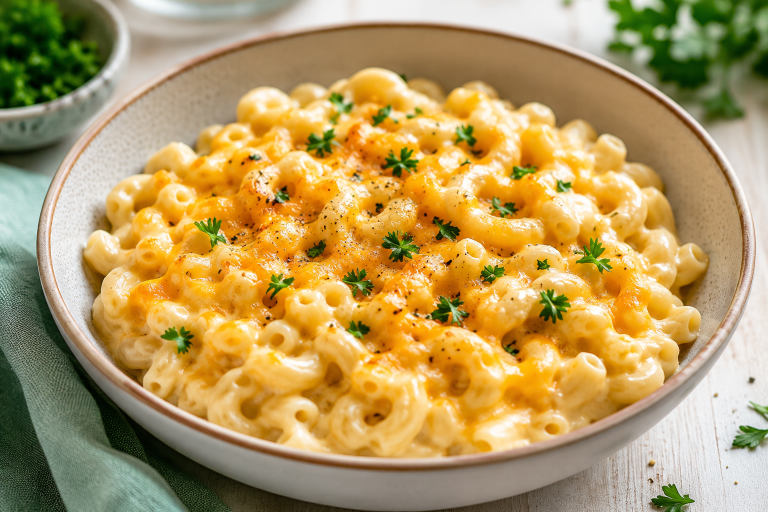
- High Protein Mac and Cheese: Creamy & Healthy
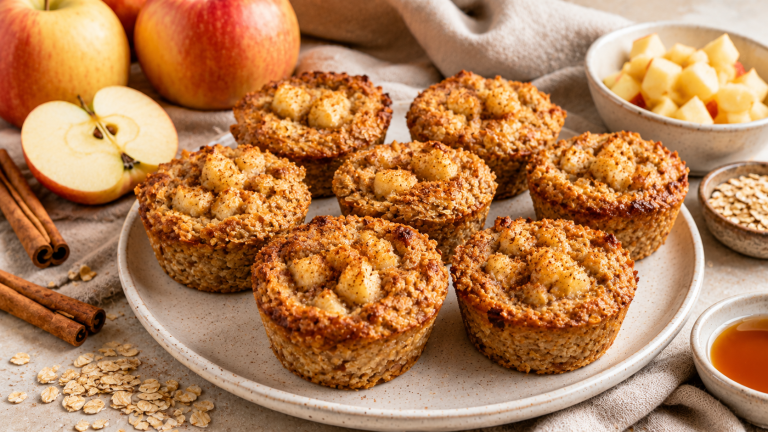
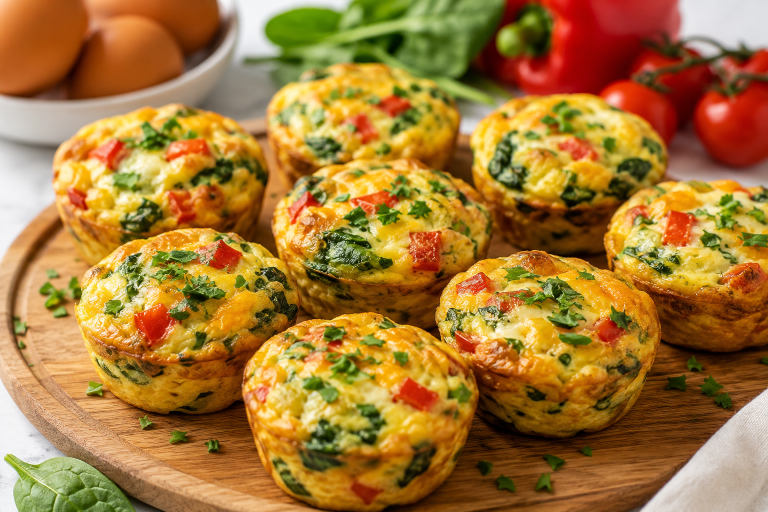
- Healthy Egg Muffins for an Easy High Protein Breakfast
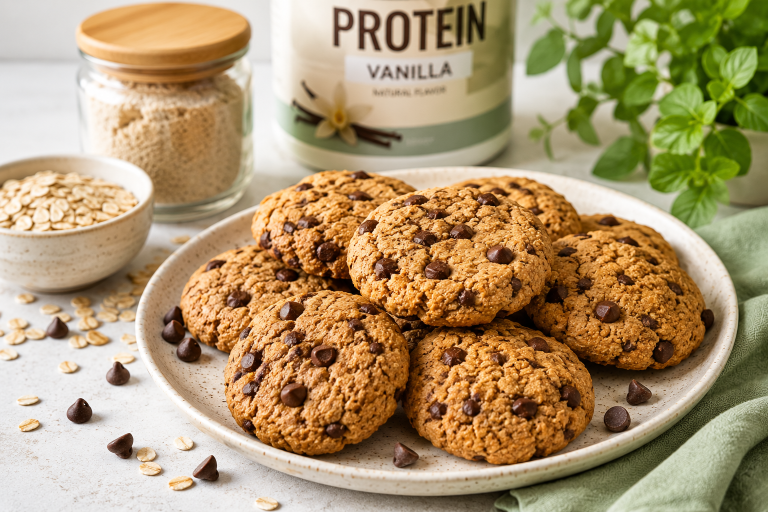
- High Protein Balls – Easy No Bake Snack Recipe
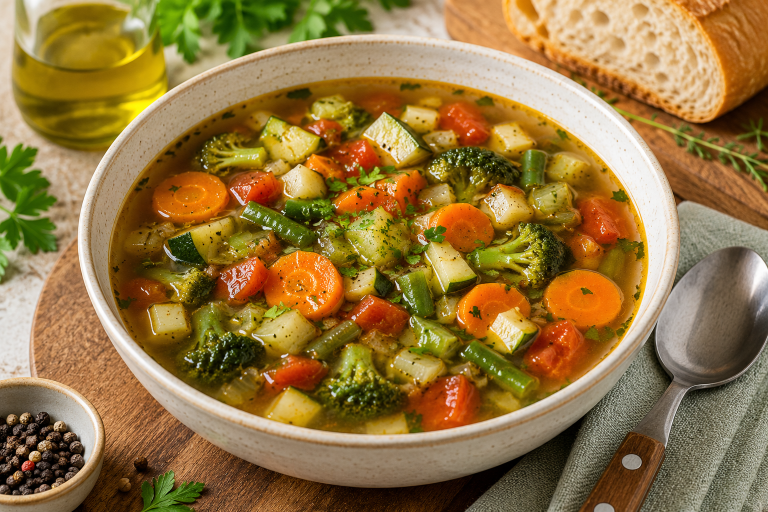
- Healthy Soups – Easy Recipes for Every Season
- Weight Loss Tips – LL Design
Why Meal Prep Is Worth Trying
One of the biggest challenges with healthy eating isn’t knowing what foods are healthy. It’s having healthy food available when you’re hungry and short on time.
That’s where meal prep can help.
When you already have ingredients or complete meals prepared, you don’t have to make as many decisions during a busy day.
Meal prep can help you:
- Save time during the week
- Make healthier choices easier
- Reduce food waste
- Save money on spontaneous takeout
- Have balanced meals ready when you’re hungry
- Stay more consistent with your nutrition goals
- Reduce the stress of deciding what to eat
You don’t need to prepare every single meal. Even preparing a few lunches or chopping vegetables in advance can make a noticeable difference.
What Is Meal Prep?
Meal prep is simply the process of planning and preparing food ahead of time.
There are several ways to do it.
Full Meal Prep
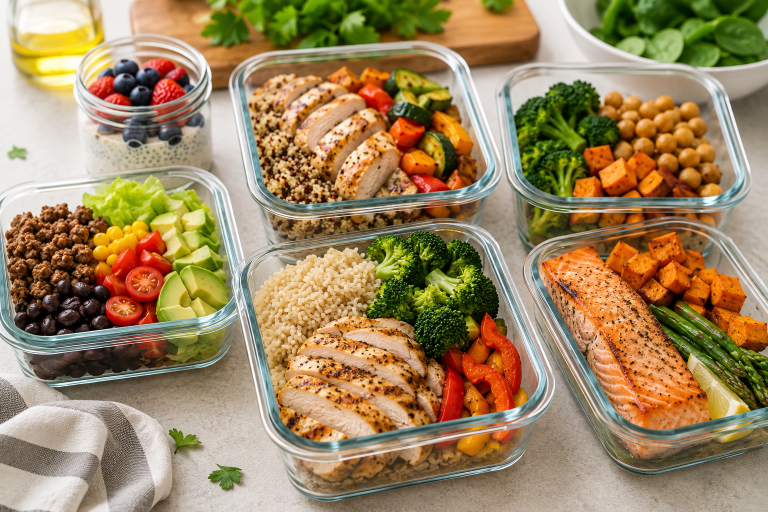
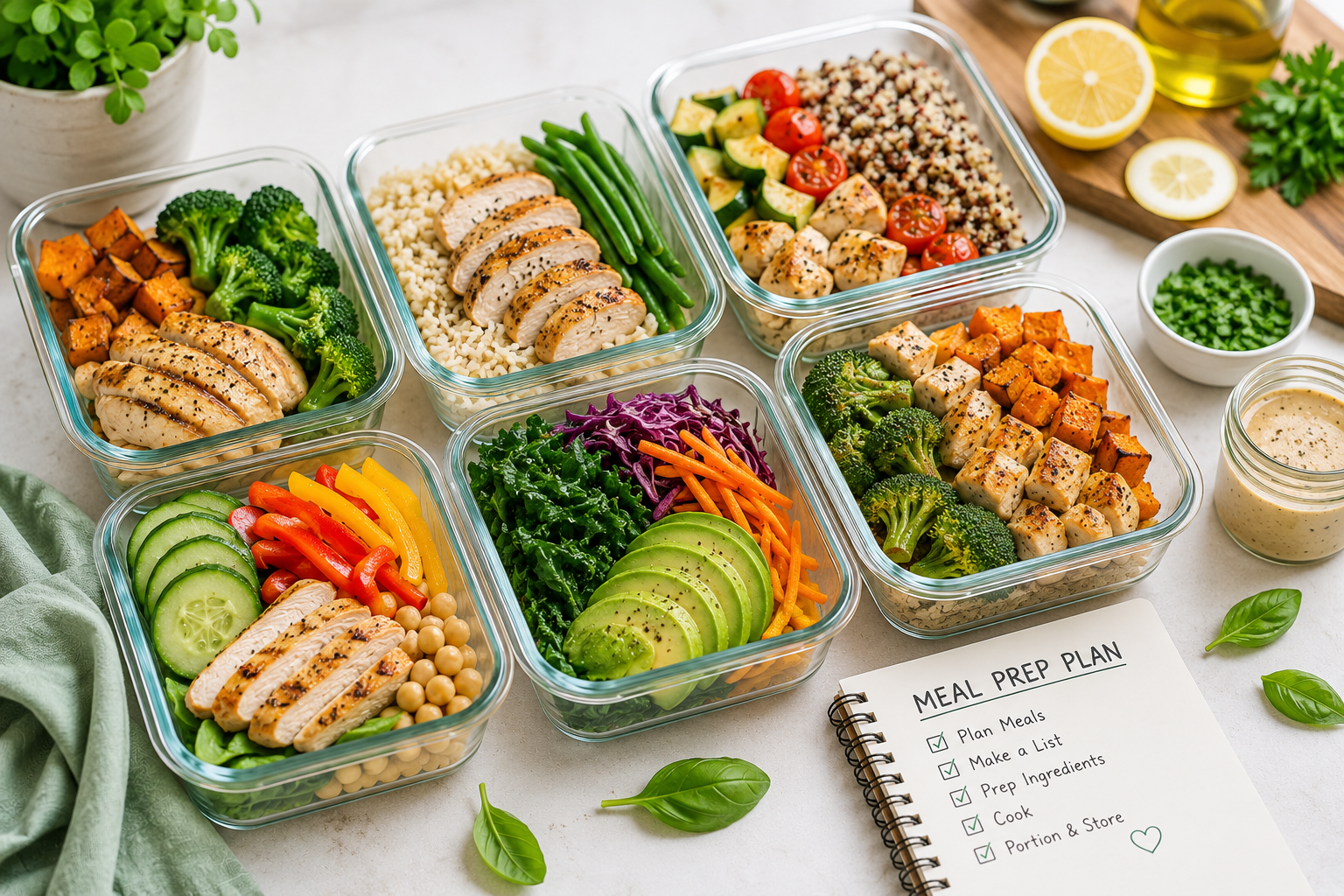
You prepare complete meals and portion them into containers.
For example:
Chicken + rice + roasted vegetables
This is particularly useful for lunches during a busy workweek.
Ingredient Prep
Instead of preparing complete meals, you prepare individual ingredients.
You might:
- Cook chicken
- Wash and chop vegetables
- Prepare rice or quinoa
- Boil eggs
- Wash fruit
- Make a simple dressing
Then you can combine these ingredients into different meals throughout the week.
Batch Cooking
You prepare a larger quantity of one recipe and use it for several meals.
Soups, chili, roasted vegetables, cooked grains, and protein-rich dishes can work particularly well for this approach.
Mix-and-Match Prep
This is one of the easiest options for beginners.
Prepare a few proteins, carbohydrates, vegetables, and sauces separately and combine them differently throughout the week.
That way, you don’t have to eat exactly the same meal every day.
How to Start Meal Prep as a Beginner
You don’t need a complicated meal plan or a refrigerator full of identical containers.
Start with one or two meals.
For example, prepare three lunches for the first half of your workweek.
Once that feels easy, you can gradually increase the amount you prepare.
A simple beginner approach looks like this:
Choose → Shop → Prep → Cook → Portion → Store
That’s it.
Good meal-prep containers make it much easier to portion, store, and transport your meals throughout the week.
Step 1: Choose Your Meals
Before you start cooking, decide what you actually want to eat.
Choose meals that are:
- Simple
- Nutritious
- Easy to store
- Foods you already enjoy
- Suitable for reheating if necessary
A balanced meal can be built around a few basic components:
Protein
Examples include:
- Chicken
- Turkey
- Eggs
- Greek yogurt
- Cottage cheese
- Beans
- Lentils
- Fish
- Tofu
Carbohydrates
Examples include:
- Rice
- Potatoes
- Oats
- Whole-grain pasta
- Quinoa
- Whole-grain bread
Vegetables
Choose a variety of vegetables you enjoy.
Fresh, frozen, roasted, steamed, or raw vegetables can all work depending on the meal.
Healthy Fats
Examples include:
- Avocado
- Nuts
- Seeds
- Olive oil
- Nut butter
You don’t need every component in exactly the same proportion at every meal. Think of this as a simple framework rather than a strict formula.
Step 2: Make a Simple Shopping List
Once you’ve chosen your meals, check what you already have at home.
Then write down only what you actually need.
For example, a beginner meal-prep shopping list might include:
Protein
- Chicken breast
- Eggs
- Greek yogurt
Carbohydrates
- Rice
- Oats
- Potatoes
Vegetables
- Broccoli
- Bell peppers
- Spinach
- Carrots
Fruit
- Berries
- Apples
- Bananas
Extras
- Olive oil
- Herbs
- Spices
- Your favorite sauce or dressing
Planning your shopping list before going to the store can help prevent impulse purchases and make your grocery trip much easier.
Step 3: Prep Your Ingredients
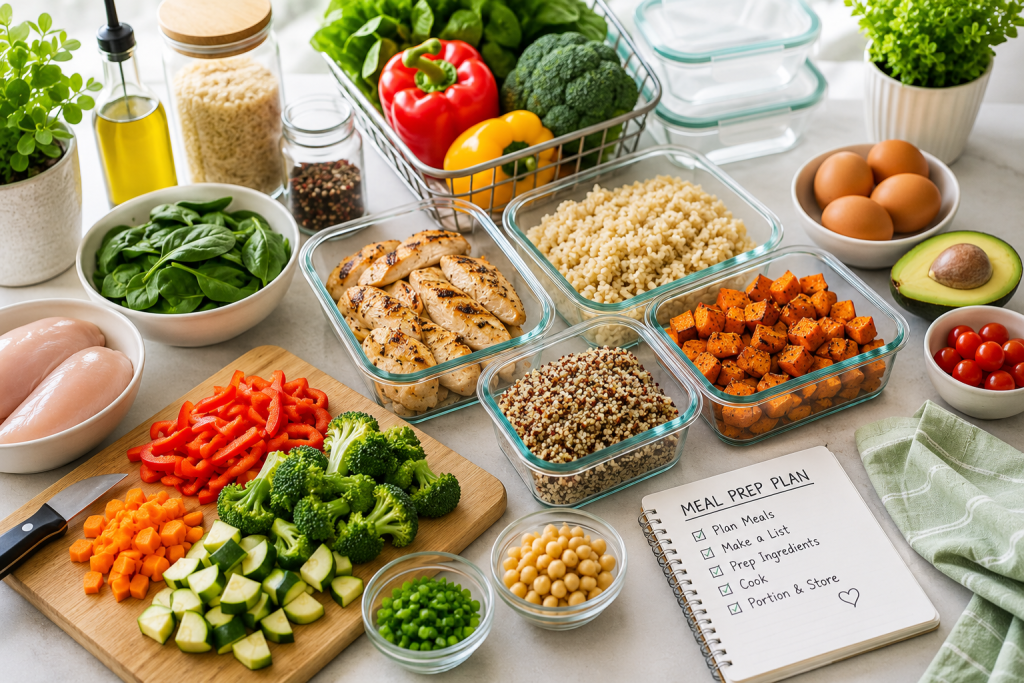
You don’t necessarily have to cook everything at once.
Start by preparing the ingredients that take the most time.
For example:
- Preheat the oven.
- Put your vegetables on a baking tray.
- Start cooking rice or another grain.
- Prepare your protein.
- Wash and chop fresh vegetables.
- Prepare sauces or dressings.
While one ingredient is cooking, you can work on another.
This makes your prep session much more efficient.
A vegetable chopper can save time when you’re preparing larger quantities of vegetables.
Step 4: Cook and Portion Your Meals
Once everything is ready, allow hot food to cool appropriately before storing it.
Then divide your meals into individual portions.
For example:
Lunch 1: Chicken + rice + broccoli
Lunch 2: Chicken + roasted potatoes + vegetables
Lunch 3: Chicken + quinoa + salad
The same ingredients can create several different combinations.
This is one of the easiest ways to avoid getting bored with meal prep.
A digital kitchen scale can be helpful when you want to portion ingredients consistently.
Step 5: Store Your Meals Properly
Good food storage is an important part of meal prep.
Use clean, food-safe containers and refrigerate perishable foods promptly rather than leaving them at room temperature for extended periods.
For refrigerated leftovers, USDA guidance generally recommends using them within 3–4 days.
If you prepare more food than you expect to eat within that period, freezing portions can be a useful option.
Always check the condition of stored food before eating it, and when in doubt, throw it out.
Good meal-prep containers make it much easier to portion, store, and transport your meals throughout the week.
Easy Meal Prep Foods for Beginners
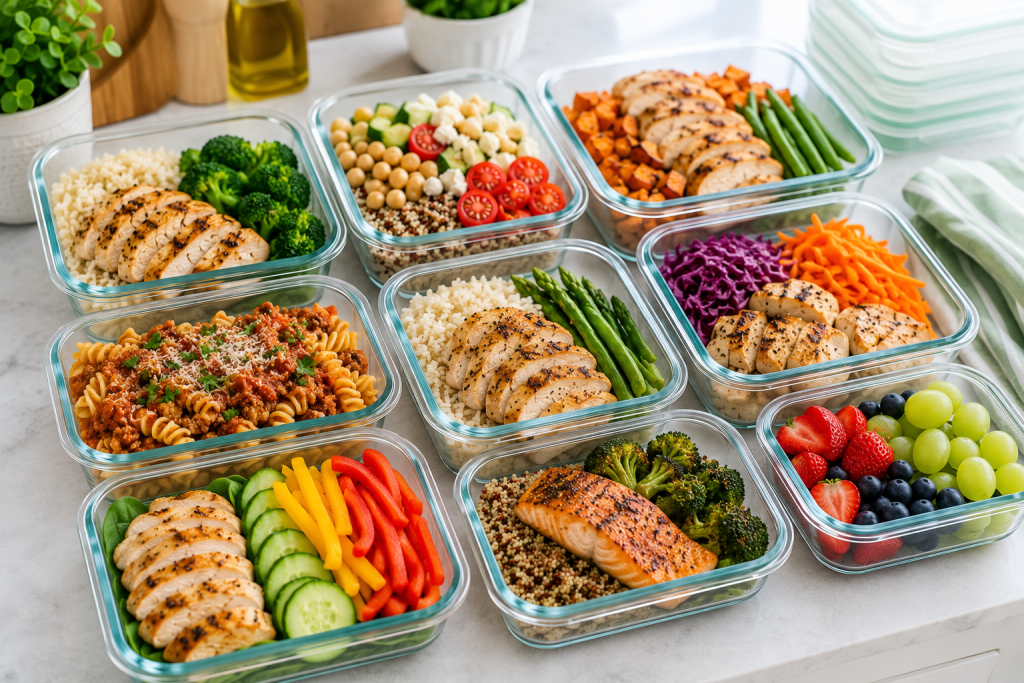
Some foods are particularly convenient when you’re just starting out.
An air fryer can make meal prep easier by quickly cooking chicken, vegetables, potatoes, and other ingredients with minimal hands-on time.
Chicken
Chicken is versatile and works with rice, potatoes, pasta, salads, wraps, and vegetables.
Season it differently throughout the week to create more variety.
Eggs
Hard-boiled eggs are easy to prepare and can be used for breakfasts, snacks, or salads.
Rice and Grains
Cooked rice, quinoa, and other grains can become the base of several different meals.
Roasted Vegetables
Roasting a large tray of vegetables is one of the simplest meal-prep techniques.
Try:
- Broccoli
- Zucchini
- Bell peppers
- Carrots
- Sweet potatoes
- Red onions
Greek Yogurt
Greek yogurt can work for breakfast, snacks, sauces, and protein-rich desserts.
Oats
Overnight oats are an easy make-ahead breakfast that can be customized with fruit, yogurt, seeds, or nut butter.
Simple Meal Prep Ideas
You don’t need complicated recipes to get started.
Breakfast
Protein Overnight Oats
Combine oats, Greek yogurt, milk, berries, and your favorite toppings in a container and refrigerate overnight.
Lunch
Chicken & Rice Bowls
Combine cooked chicken, rice, roasted vegetables, and a simple sauce.
Dinner
High Protein Mac and Cheese
A creamy protein-rich mac and cheese can be prepared ahead and portioned for several meals.
Snack
Protein Balls
Homemade protein balls are easy to prepare in batches and keep ready for when you need a convenient snack.
Quick Meal
Egg Muffins
Egg muffins can be prepared ahead with vegetables and other protein-rich ingredients for an easy breakfast or lunch.
Common Meal Prep Mistakes to Avoid
Trying to Prep Everything
You don’t need seven breakfasts, seven lunches, and seven dinners.
Start with one or two meals.
Making Too Much Food
Preparing huge quantities before you know what you actually enjoy can lead to food waste.
Start small and adjust.
Choosing Recipes You Don’t Enjoy
Healthy food still needs to taste good.
If you don’t like the meal, you’re much less likely to look forward to eating it.
Choose recipes you genuinely enjoy.
Making Every Meal Identical
Eating the exact same meal five days in a row can become boring.
Prepare versatile ingredients and change the combinations, sauces, or seasonings.
Forgetting About Snacks
If you regularly get hungry between meals, prepare a few convenient options too.
Fruit, Greek yogurt, boiled eggs, vegetables with hummus, or homemade protein balls can make good options depending on your preferences and nutritional needs.
How Meal Prep Can Support Your Weight-Loss Goals
Meal prep isn’t a weight-loss plan by itself.
However, it can make healthy habits easier to maintain.
When nutritious meals are already available, you’re less likely to rely on whatever happens to be quickest when you’re hungry.
Meal prep can also make portions easier to plan and can help you build meals around protein, vegetables, fiber-rich carbohydrates, and satisfying fats.
Most importantly, meal prep should make your life easier, not more restrictive.
You don’t need to eat perfectly.
You simply want to create an environment where the healthier choice is also a convenient choice.
How Often Should Beginners Meal Prep?
There is no single perfect schedule.
Some people prefer preparing food once a week, while others prefer smaller prep sessions two or three times per week.
For beginners, a good starting point is:
Choose one day → prepare 2–3 meals → see how it works → adjust.
You may discover that you only need to batch-cook proteins and vegetables rather than preparing complete meals.
The best meal-prep routine is the one you can realistically maintain.
Frequently Asked Questions
Is meal prep good for beginners?
Absolutely. Meal prep can be especially helpful for beginners because it reduces the number of decisions you have to make about food during a busy week.
Start with just a few meals rather than trying to prepare your entire week at once.
How many meals should I prep?
Start with two or three meals.
Once you know what works for you, you can increase or decrease the amount depending on your schedule.
How long does meal prep take?
A simple meal-prep session can often be completed in around 1–2 hours, depending on the number and complexity of the meals.
You don’t need to spend an entire day cooking.
Can meal prep help with weight loss?
Meal prep can support weight-loss efforts by making balanced meals more convenient and helping you plan portions and ingredients ahead of time.
Your overall eating pattern, activity, calorie intake, and consistency matter more than meal prep itself.
Can I meal prep for an entire week?
You can prepare some foods for the week, but refrigerated perishable leftovers are generally recommended for only about 3–4 days.
For food you won’t eat within that timeframe, freezing appropriate portions can be a better option.
What containers are best for meal prep?
Choose food-safe, airtight containers that are suitable for your intended use. Glass containers are a popular option because they are durable and can be convenient for reheating, while lightweight plastic containers can be useful for taking meals to work.
Final Thoughts
Meal prep for beginners doesn’t need to be complicated.
You don’t need dozens of recipes, a perfectly organized refrigerator, or hours of free time.
Start with a few meals you already enjoy.
Choose your ingredients, make a simple shopping list, prepare a few components, portion your food, and store everything properly.
Then see what works.
Over time, meal prep can become a simple routine that makes healthy eating easier, saves you time, and helps you stay consistent with your goals.
And remember: the goal isn’t perfect meal prep. The goal is making healthy choices easier on your busiest days.
Ready to Make Healthy Eating Easier?
Want a simple way to get started with healthier habits and weight-loss-friendly meals?
Download my free 14-Day Weight Loss Kickstart Guide and get a practical starting point for your journey.
Start small, stay consistent, and focus on progress—not perfection. 💚